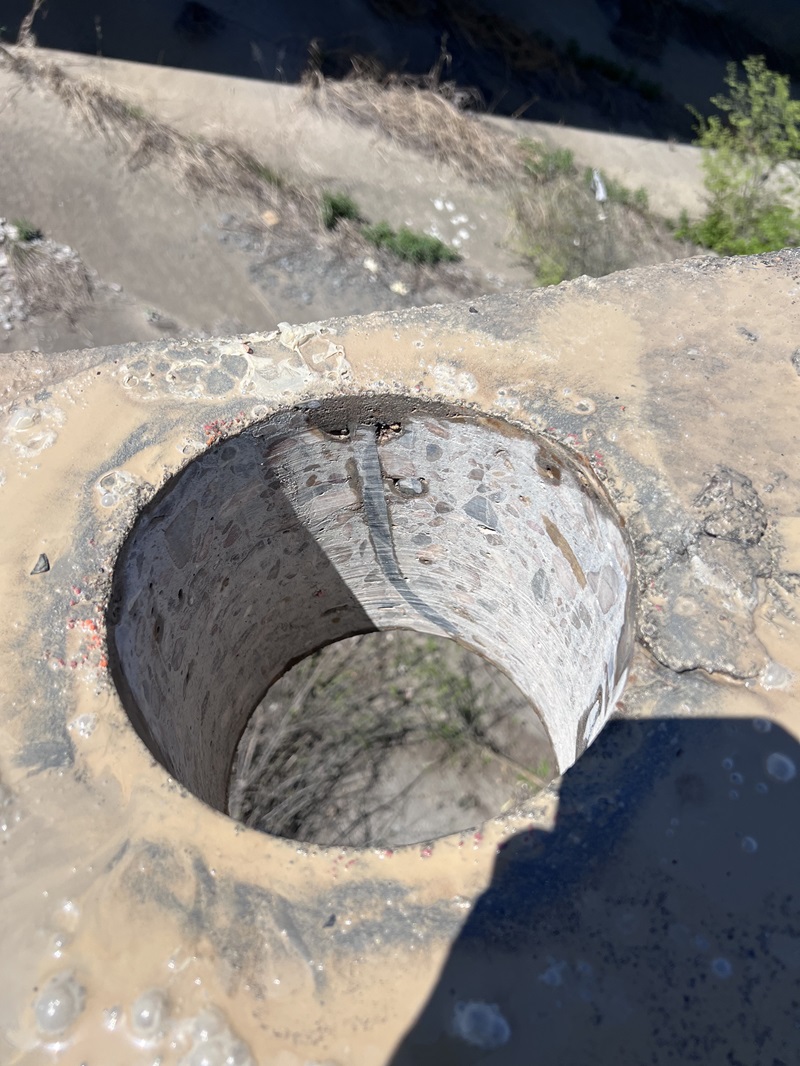
Concrete core drilling is an essential technique in construction, renovation, and engineering projects. It allows for precise holes in concrete for plumbing, electrical work, HVAC installations, structural testing, and more. However, it’s not as simple as it looks. Even experienced professionals can make mistakes that slow progress, damage equipment, or compromise safety.
Common Mistakes Made
Knowing where most projects go wrong allows you to take proactive steps before you even pick up a drill. By understanding the common pitfalls and planning ahead, you can prevent costly mistakes, protect your equipment, and maintain the structural integrity of your project. Let’s take a closer look at each of these five mistakes and explore practical strategies to avoid them, so your concrete core drilling work is both safe and efficient.
- Using the Wrong Drill Bit
- The mistake: Many contractors or DIYers try to save time or money by using the wrong type of drill bit, such as a standard masonry bit, on reinforced concrete.
- Why it’s a problem: Concrete often contains embedded rebar or wire mesh. Using an incorrect bit can lead to:
- Excessive wear or breakage of the bit
- Uneven or jagged holes
- Damage to the concrete structure itself
- How to avoid it:
- Always match your drill bit to the material. For reinforced concrete, diamond-tipped bits are the industry standard because they cut efficiently through both concrete and steel reinforcement.
- For softer concrete or older masonry, a carbide-tipped bit may be sufficient.
- Inspect your bits before starting the project. Worn or chipped bits will reduce precision and increase the risk of mistakes.
- Pro tip: Keep a variety of bits on hand and rotate them as needed to maintain drilling efficiency.
- The mistake: Many contractors or DIYers try to save time or money by using the wrong type of drill bit, such as a standard masonry bit, on reinforced concrete.
- Ignoring Reinforcement
- The mistake: Drilling without checking for steel reinforcement (rebar) or embedded mesh.
- Why it’s a problem: Hitting rebar unexpectedly can:
- Break the drill bit
- Overload the drill motor
- Cause structural cracks in the concrete
- Create unsafe work conditions
- How to avoid it:
- Always use a rebar scanner or metal detector before drilling. These devices can identify hidden reinforcement and help you plan the drill path.
- If you must drill through rebar, use a bit rated for reinforced concrete and slow down the drilling speed when hitting steel. In some cases, consulting a structural engineer can help determine the safest drilling locations.
- Pro tip: Mark the areas with detected rebar clearly on the concrete surface to avoid surprises mid-drill.
- The mistake: Drilling without checking for steel reinforcement (rebar) or embedded mesh.
- Incorrect Drill Speed or Pressure
- The mistake: Applying too much force or using the wrong drill RPM.
- Why it’s a problem: Improper speed or pressure can lead to:
- Cracking or chipping the concrete
- Overheating the bit, which reduces its lifespan
- Worn-down equipment or inefficient drilling
- How to avoid it:
- Follow the manufacturer’s recommended RPM and pressure for your drill and bit type. Use steady, controlled pressure rather than forcing the drill. Let the equipment do the work.
- For larger diameter holes or reinforced concrete, consider using water-cooling techniques to prevent overheating.
- Pro tip: If the drill slows down or produces excessive dust instead of slurry (when using water), adjust your speed or pressure immediately.
- The mistake: Applying too much force or using the wrong drill RPM.
- Neglecting Dust Control and Safety Measures
- The mistake: Skipping personal protective equipment (PPE) or dust mitigation practices.
- Why it’s a problem: Concrete dust is hazardous to health, causing respiratory problems and eye irritation. Overheating bits or drills can also damage equipment and create dangerous situations on-site.
- How to avoid it:
- Always wear masks, gloves, eye protection, and hearing protection.
- Use wet drilling when possible. Water reduces dust, cools the bit, and extends its life.
- If wet drilling isn’t feasible, use dust collection systems or industrial vacuums to minimize airborne particles.
- Pro tip: A clean worksite isn’t just safer; it can also improve drilling efficiency and accuracy.
- The mistake: Skipping personal protective equipment (PPE) or dust mitigation practices.
- Failing to Check Structural Plans
- The mistake: Drilling without reviewing blueprints or consulting relevant professionals.
- Why it’s a problem: Drilling blindly can result in:
- Weakening load-bearing walls or structural elements
- Accidentally hitting electrical wiring, plumbing, or HVAC systems
- Violating building codes or safety regulations
- How to avoid it:
- Always review structural drawings and floor plans before starting.
- Locate hidden utilities using scanners or sensors.
- Consult a structural engineer if you’re unsure about drilling in a load-bearing area.
- Pro tip: Even a small mistake can compromise the integrity of a structure. Taking time to plan saves far more than rushing through the process.
- The mistake: Drilling without reviewing blueprints or consulting relevant professionals.
Conclusion
Concrete core drilling is an exact and technical process that demands careful planning, the right tools, and a strong focus on safety. Drilling mistakes can cause equipment damage, project delays, and even structural issues, which is why understanding and avoiding common pitfalls is so essential. By taking the time to prepare appropriately, select the right drill bits, account for reinforcement, control drilling speed and pressure, manage dust, and review structural plans, you can protect your team and equipment while keeping your project on schedule.
When these best practices are followed, concrete core drilling becomes more efficient and predictable, enabling you to achieve clean, accurate holes without compromising the integrity of the structure. Whether you’re a professional contractor, an engineer, or a DIY enthusiast tackling a project at home, implementing these strategies ensures smoother workflows, safer working conditions, and results that meet both professional and safety standards.
Ultimately, investing in preparation and attention to detail will save time, reduce costs, and give you the confidence that your drilling work is done right the first time. Contact Fine Cut Concrete Drilling & Sawing today to learn more or to schedule a concrete core drilling service tailored to your needs. We’re ready to bring our precision and reliability to your project in the Kansas City, Tulsa, or Bentonville area. Get in touch now!